
Fine, un-composted
0-1/4″ Fir Humus
Screened fir bark fines
Nominal Particle Size
0″–1/4″ nominal
Gauges plot each product’s nominal particle range on a 0–4″ scale. Thumbnails are true-to-spec chip renderings, not photographs.
Fine, un-composted
Screened fir bark fines
Fine, treated humus
Screened, treated and composted fir fines
Fine chip, milled
Douglas fir bark
Fine, composted
Composted fir bark fines
Medium-textured mulch
Shredded fir bark with fines
Fine, fibrous mulch
Shredded redwood bark
Fine-to-medium, compactable
Blend of milled fir barks
Small, refined screened
Douglas fir bark
Medium, screened walk-on
Douglas fir bark
Try a different term, or clear the filters to see all products.
Chip rendering is proportional to this product’s nominal size. Ask the yard about bag/bulk availability and current pricing.
What started as a small, family-owned supplier has evolved into a trusted partner for professionals throughout the West Coast. Built on a foundation of service, reliability, and continuous growth, West Coast Soil Works traces its roots back more than four decades to West Coast Forest & Cinder Products, founded by Tony and Nancy Delmos in Arvin, California.
Size is what shifts the effect. Larger grades read bold and hold well on open beds and around established trees, while smaller, refined grades sit tighter and give a more polished, manicured finish up close. From coarse 3″ to 4″ pieces down to a refined 1″ to 1.5″ grade, there is a texture to match nearly any design.
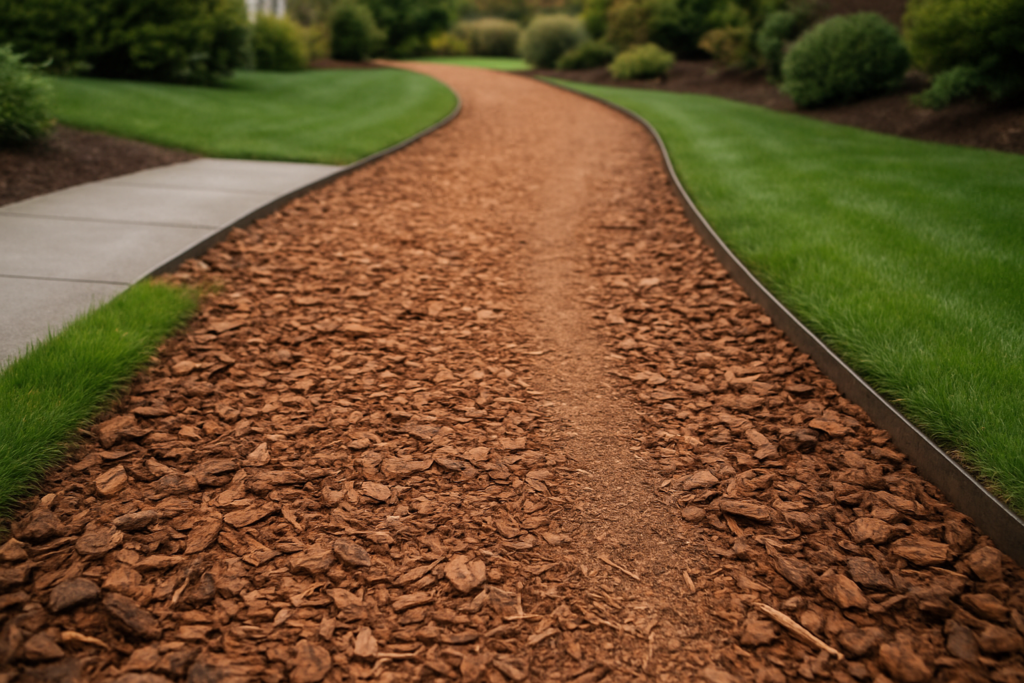
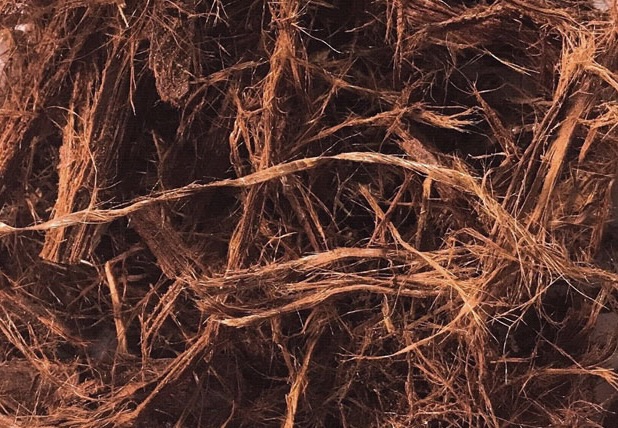
Functional mulches are chosen for the job they do rather than the way they look, though most still finish an area cleanly. These are the products that hold a slope, firm up a walking path, stand up to foot traffic, and lock moisture into the root zone through a long, dry Central Valley summer. Many are shredded or fibrous, which lets the material knit together and stay put instead of washing or blowing away.
The right pick depends on the task. Shredded redwood such as Gorilla Hair mats together and grips inclines where loose bark would slide. Pathway blends compact into a firm, walkable surface. Screened walk-on barks are built to take repeated foot traffic without breaking down quickly. And finer humus grades work well as a top dressing that feeds the soil as it settles. Tell us the application and we will point you to the material that fits.
The words bark and mulch get used interchangeably, but the difference matters when you are matching a material to a project. Here is how we think about it, and how to pick between our two primary wood sources.
Bark is exactly what it sounds like: the outer layer stripped from the tree, screened into consistent sizes. It is chunkier, it holds its shape, and it breaks down slowly, which makes it the go-to for decorative beds and areas where you want the look to last. Mulch is the broader term. It can include bark, but also shredded wood and finer material, and it is often processed so the fibers knit together. Mulch tends to break down faster than chunk bark, which is a drawback for pure appearance but a benefit when you want the material to feed and condition the soil over time. In short: reach for bark when longevity and looks lead, and for a shredded or fibrous mulch when moisture retention, slope holding, and soil health lead.
Learn about mulch and bark usage, application, upkeep and more.
A layer of about two to three inches is the general target for most beds. That depth is enough to hold moisture and hold back weeds without smothering plant roots. Chunkier decorative barks can go slightly deeper, while finer materials are best kept toward the lower end of that range.
Bark and mulch are ordered by the cubic yard. As a rule of thumb, one cubic yard covers roughly 100 square feet at a depth of about three inches. Measure the length and width of your area, decide on a depth, and we can help confirm the quantity before you order.
Most landscapes benefit from a refresh once a year, often in spring, though it depends on the product and the setting. Chunk barks last longer between applications, while shredded and fibrous mulches break down faster because they are actively feeding the soil. A light top-off is usually all that is needed rather than a full replacement.
Not usually. If the existing layer has thinned out, you can simply add fresh material on top to bring it back to depth. Only remove old material if it has become compacted, matted, or you are correcting a layer that was applied too thick to begin with.
Shredded redwood such as Gorilla Hair is the strongest choice for inclines. Its fibrous texture mats together and grips the slope, so it resists sliding and washing far better than loose chunk bark.
For walkways, look to a compactable pathway blend like Pacific Pathway, which firms into a stable walking surface. For areas that take steady foot traffic, screened walk-on barks are built to hold up without breaking down quickly.
Bark and mulch are not a food source that draws pests on their own, but any moist material held against a structure can create conditions insects like. Keep mulch a few inches away from your home’s foundation and siding, and pests are rarely an issue.
Yes. Piling mulch up against a trunk, sometimes called a mulch volcano, traps moisture against the bark and can invite rot and disease. Pull the material back a few inches from trunks and stems so air can reach the base of the plant.
It is optional and depends on the goal. Fabric can add weed suppression under decorative bark, but it can also limit how well organic mulch conditions the soil as it breaks down. For beds where you want the mulch to feed the soil over time, many growers skip the fabric.
It makes a real difference. A proper layer of mulch slows evaporation, keeps the root zone cooler, and reduces how often you need to water. In a hot, dry climate, that moisture retention is one of the most valuable things mulch does.
Natural bark and mulch will soften in tone as they age and weather, which is normal. A light annual top dressing restores the fresh, uniform look without a full replacement.
Choose fir bark when you want a decorative finish, a broad range of sizes, and a classic brown tone on level beds and borders. Choose redwood when you need the material to knit together and stay put, such as on slopes or windier, more exposed sites.